Pumping cycle optimization of soft-wing airborne wind energy systems using quasi-steady simulations
Abstract
This study presents a quasi-steady simulation and optimization framework for ground-generation airborne wind energy systems with soft kites. A novel parameterization of the reel-out phase is introduced, explicitly resolving crosswind maneuvers through a kinematically feasible figure-of-eight trajectory, thereby improving physical representativeness compared to conventional averaged crosswind models. The framework is validated against experimental data from the TU Delft V3 reference kite, showing good agreement in kite kinematics, phase- and cycle-averaged power, while highlighting expected limitations in instantaneous force prediction. The model is subsequently used to optimize pumping-cycle operational parameters under fixed environmental conditions, revealing significant variations in cycle duration and modest gains in average power. The results demonstrate the suitability of the proposed framework for efficient conceptual design studies and operational optimization of airborne wind energy systems.
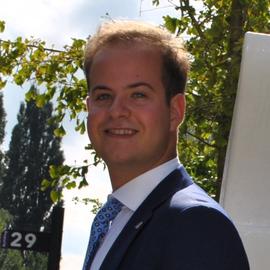
Andrea Bertozzi
PhD Researcher | DC04
Thrilled to begin the PhD journey and contribute to the future of sustainable energy!

Claudio Vergara
CTO
Working in hardware and software to accelerate access to clean and reliable electricity sources in developing countries.
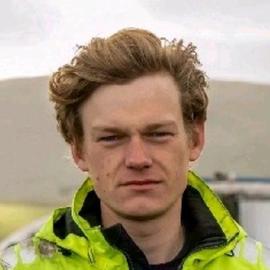
Sweder Reuchlin
Business Development & Sales Manager
Searching for sustainable energy solutions, for different environments, all over the planet to reduce the world’s carbon footprint.
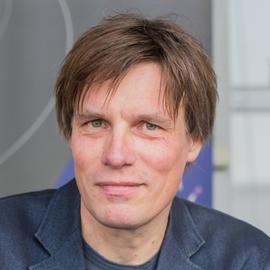
Roland Schmehl
Associate Professor
Pursuing all aspects of airborne wind energy research and technology development.